✦ Free Pickup-Point Shipping on Orders Over €59 ✦
Good to know
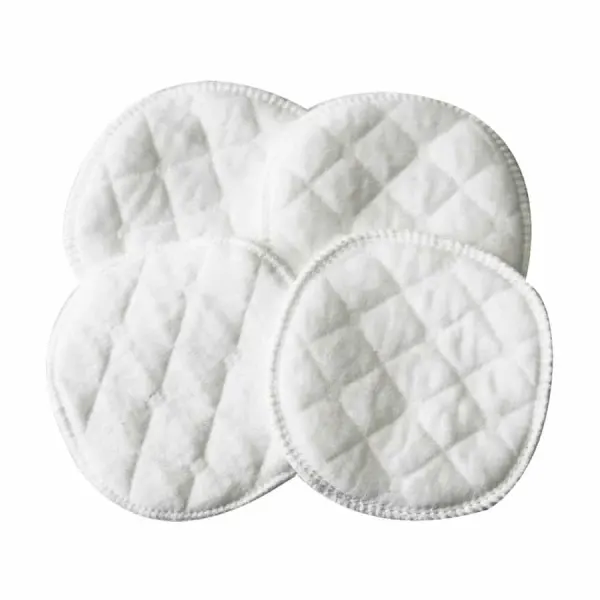
The essentials are comfortable nursing bras or tops, nipple balm, breast pads, a feeding pillow and a quiet corner. A pump is optional and can help later with returning to work or sharing feeds. Ask a midwife or lactation consultant for personal guidance.
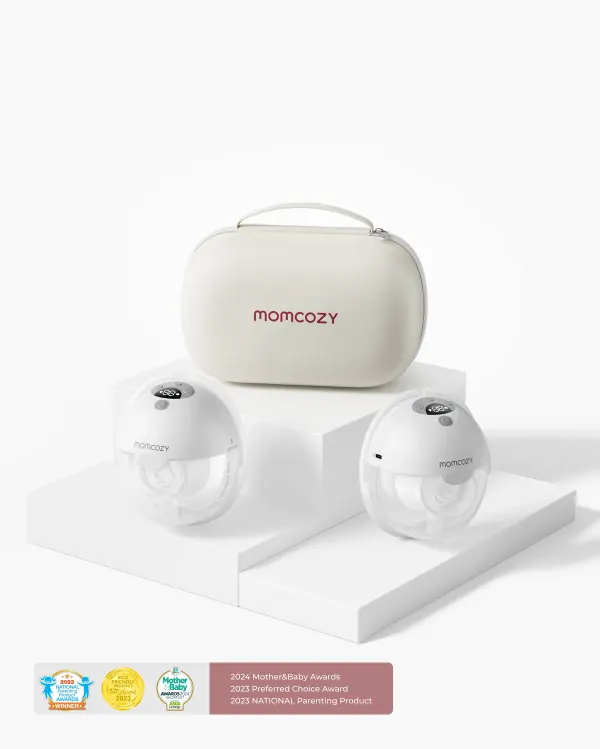
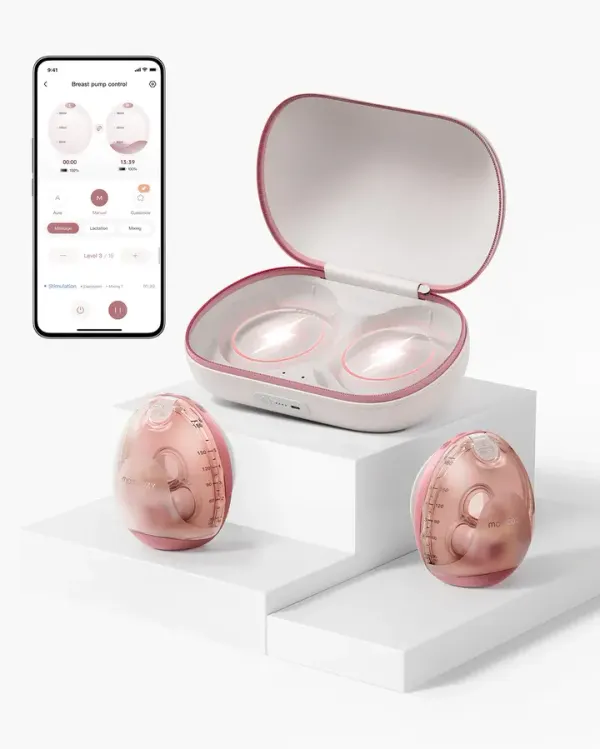
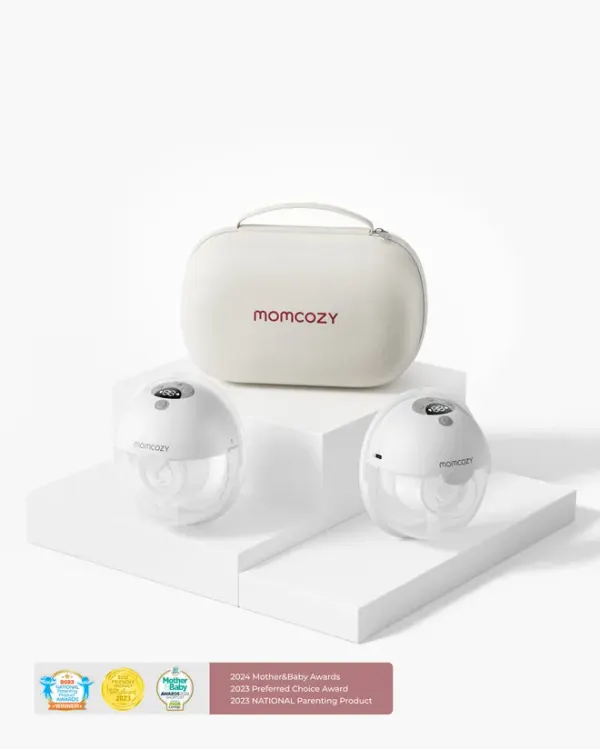
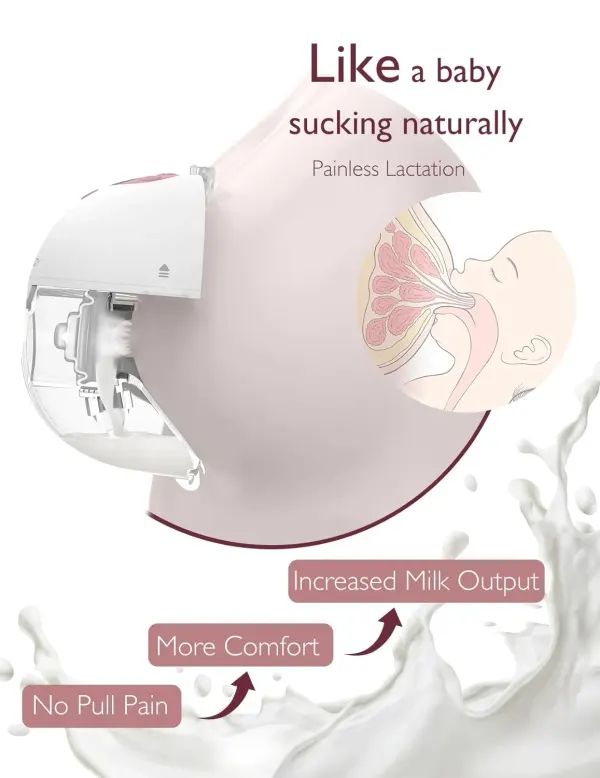
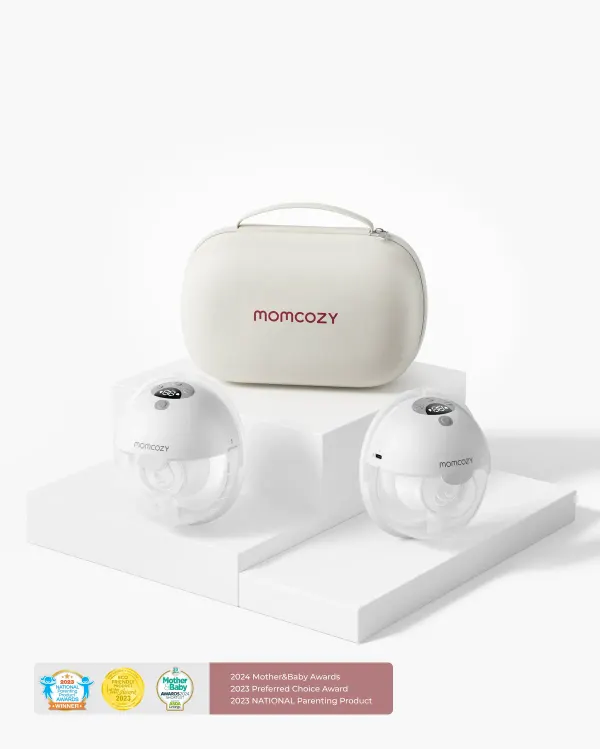
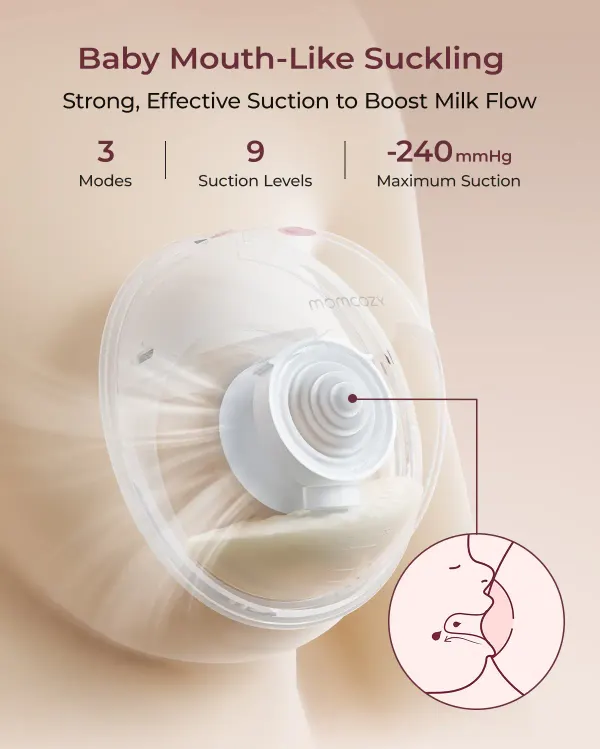
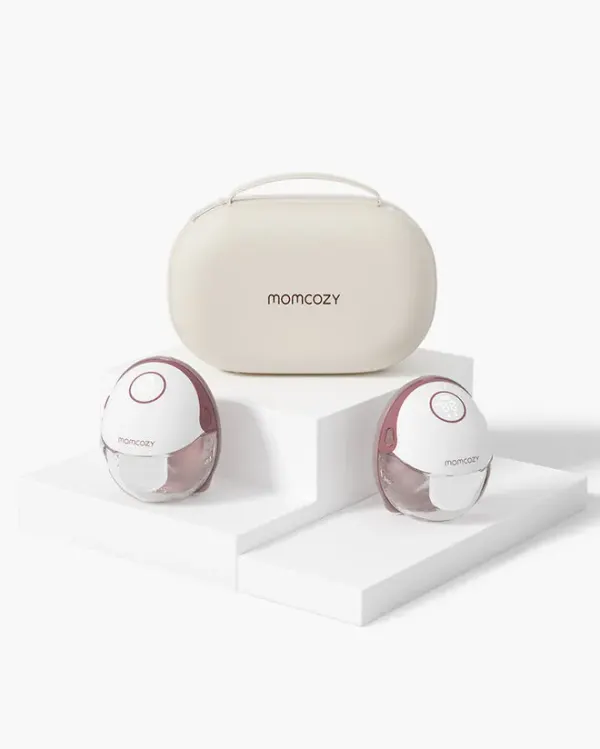
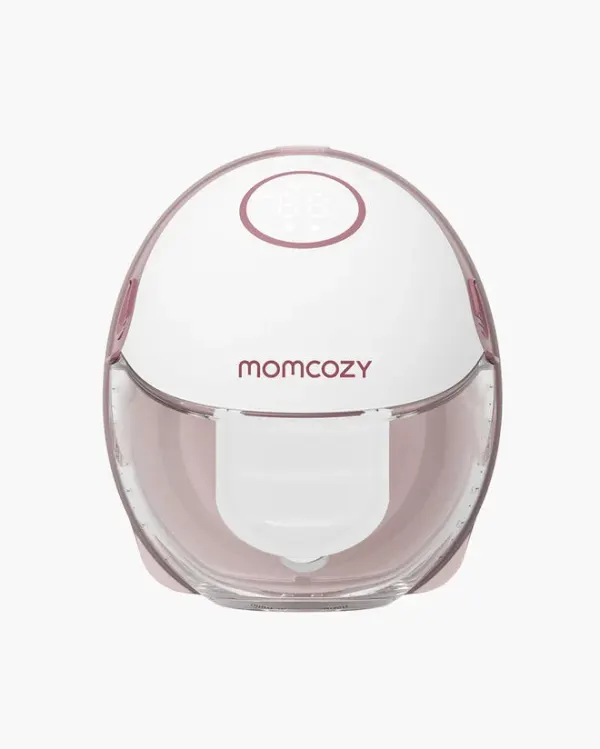
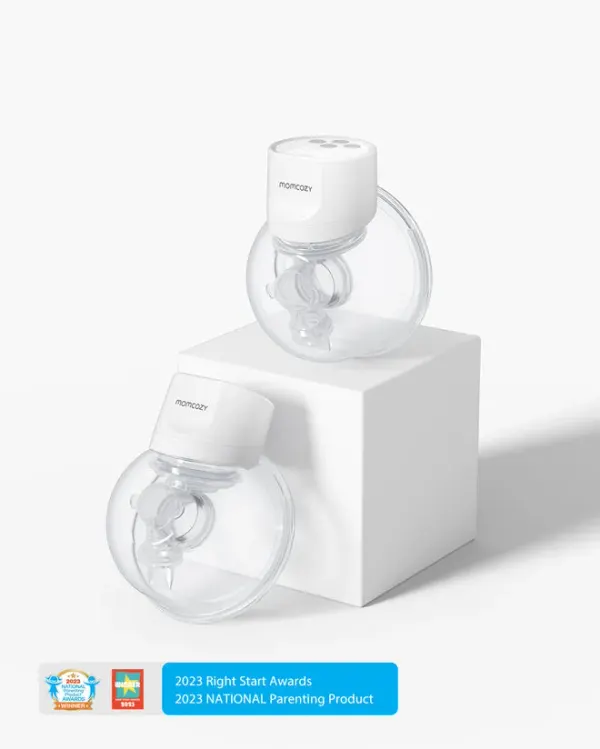
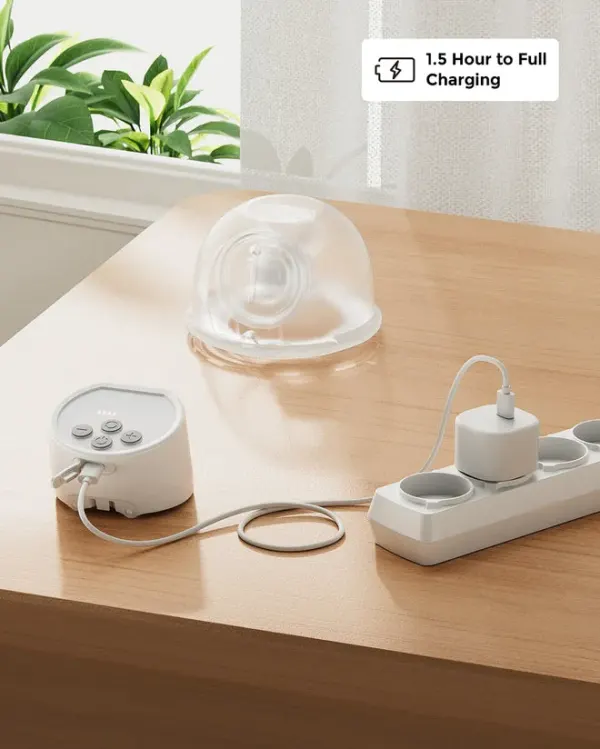
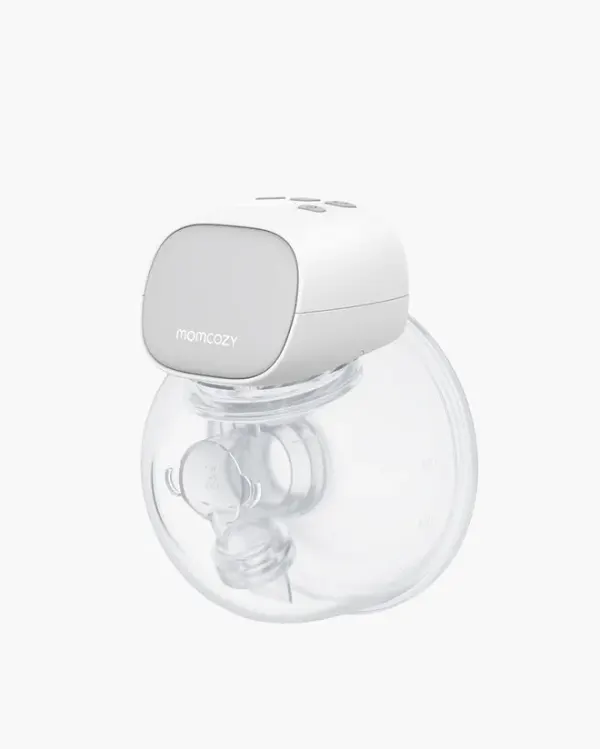
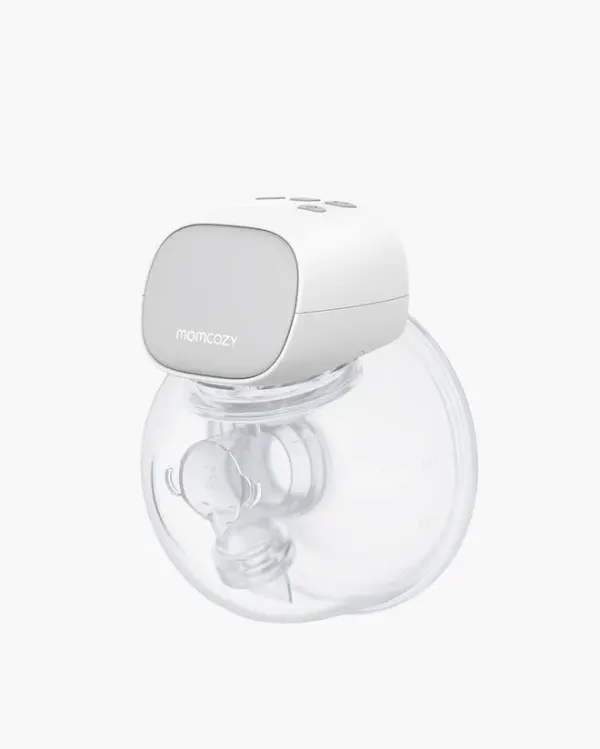
Think about how often you will pump. Electric double pumps are quicker for regular use, wearable pumps allow movement, and manual pumps suit occasional use. Look for adjustable suction, a comfortable fit and parts that are easy to clean.
Take the parts apart, rinse them after each use and wash in warm soapy water with a clean brush, then air dry. Sterilise before the first use and daily for young babies, using steam, boiling or a sterilising unit. Follow the maker's instructions.
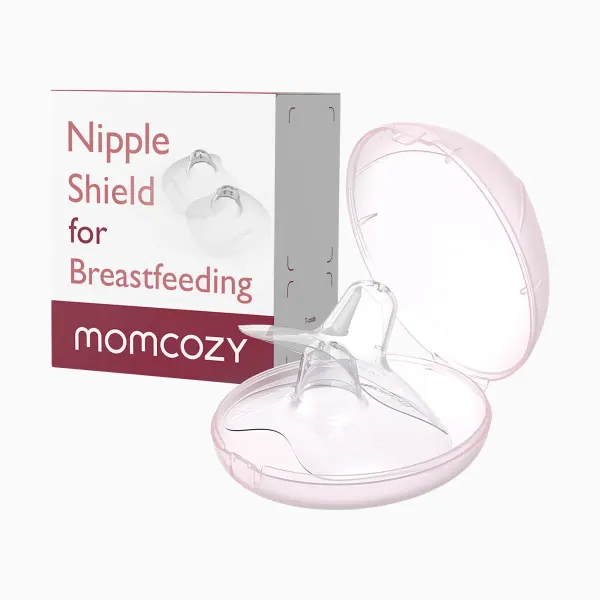
Measure the nipple, not the breast, across its widest point and add a few millimetres as the manufacturer advises. A correct fit should feel comfortable with the nipple moving freely in the tunnel. Pain or rubbing may mean the size is wrong.
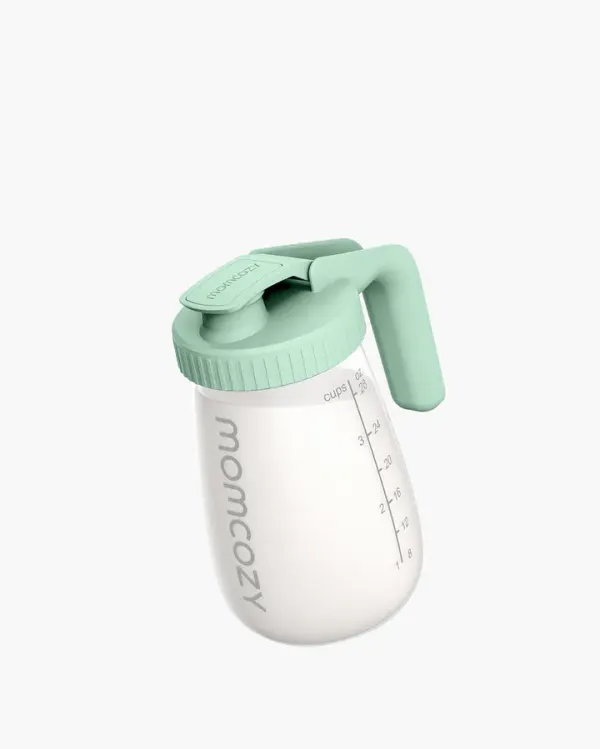
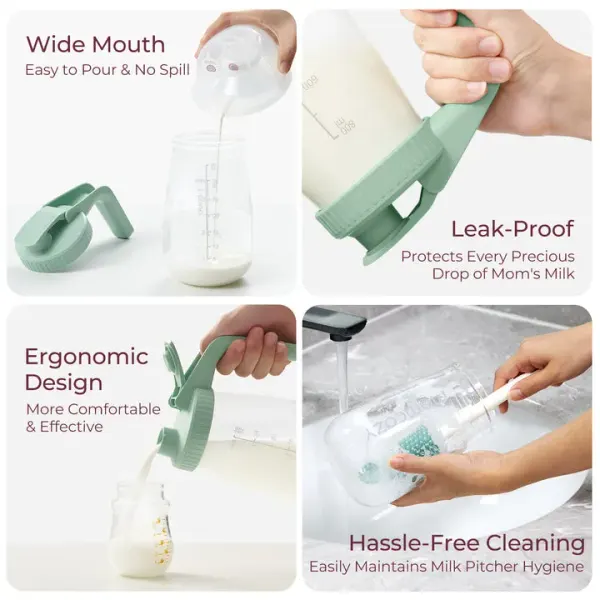
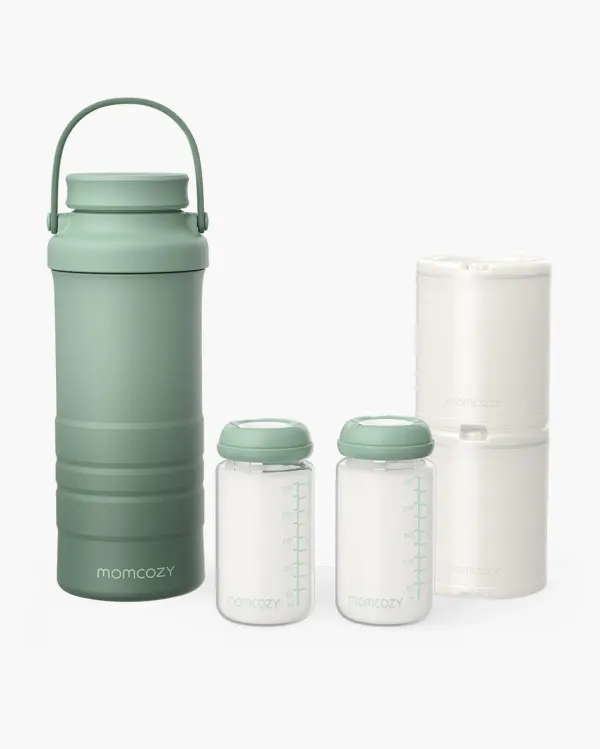
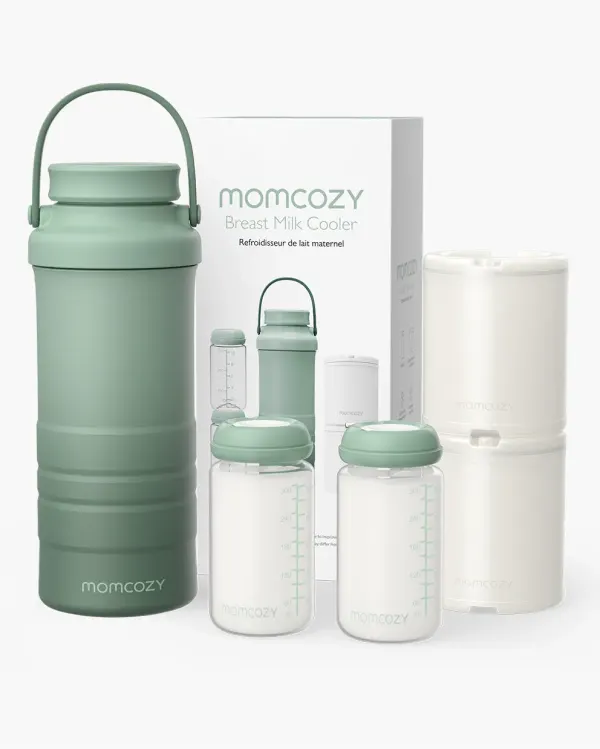
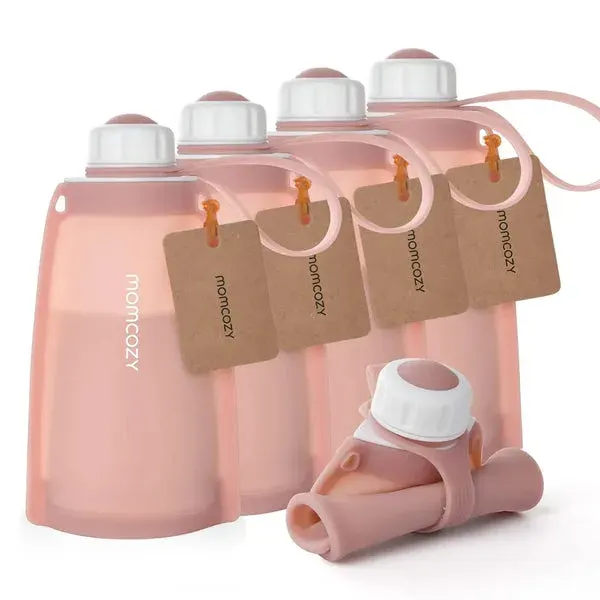
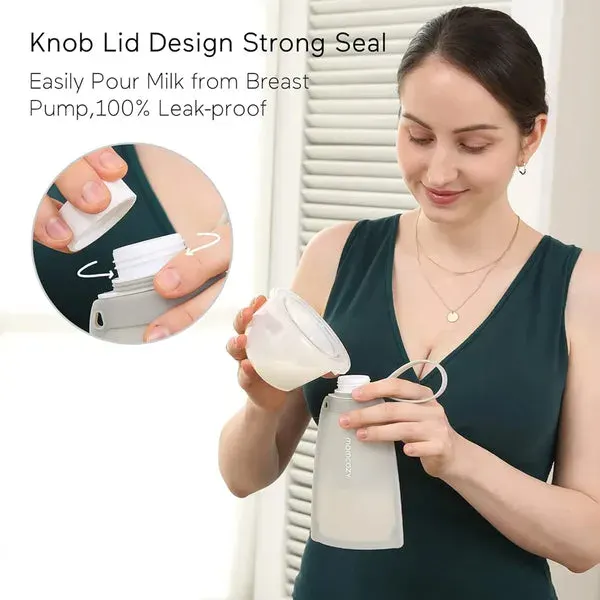
Use clean breast milk bags or containers, label them with the date and keep them cool. Guidance generally allows a few days in the fridge and several months in the freezer, but check current NHS or WHO advice. Cool fresh milk before combining it.