✦ Free Pickup-Point Shipping on Orders Over €59 ✦
Good to know
Choose by your child's height and weight and the car seat's approved range, not just age. Make sure it fits your car and that you can install it correctly. Follow the maker's instructions.
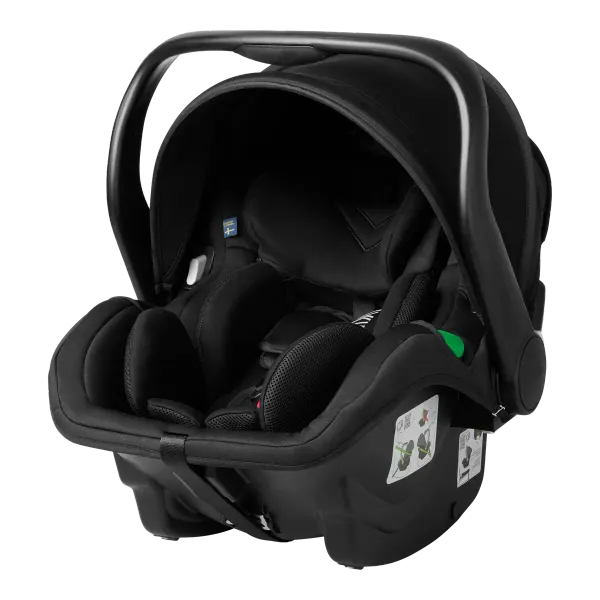
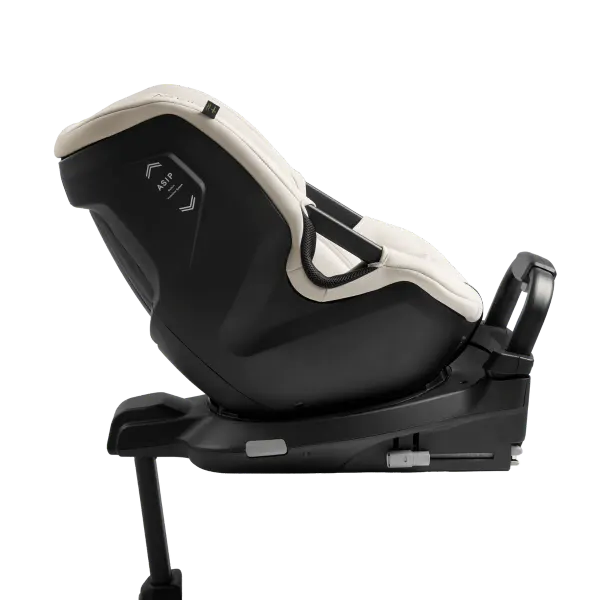
A rear-facing seat holds a child with their back to the front, which supports the head and neck in a crash. Many experts advise keeping children rear-facing as long as the seat allows. Forward-facing seats suit older children.
i-Size is a European safety standard (R129) that uses a child's height, requires rear-facing until at least 15 months and includes side-impact testing. It also makes fitting with ISOFIX simpler.
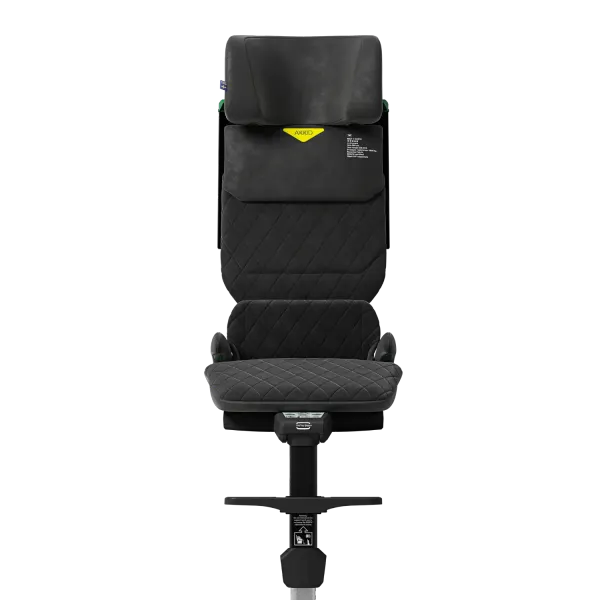
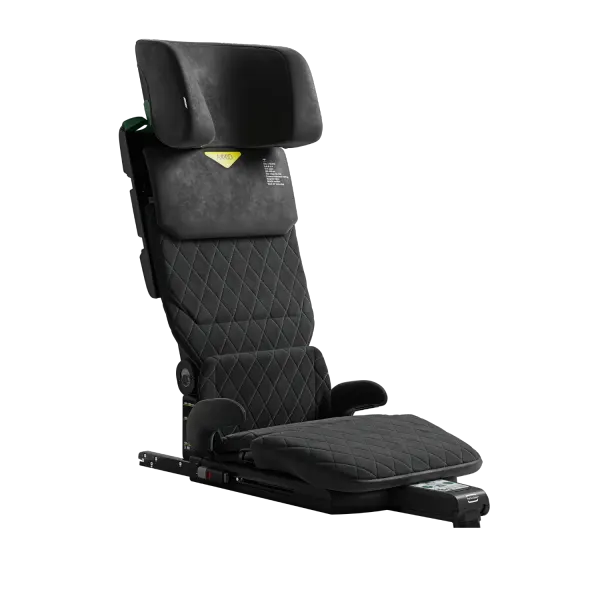
Move up when your child exceeds the seat's height or weight limit, or when their head reaches the top of the headrest or shell. Do not move up early, as each stage protects them best within its limits.
Follow the maker's instructions and your car manual, using either ISOFIX or the seat belt. The seat should not move more than about 2.5 cm at the belt path. The harness should be snug, with no thick coats on.